Take the Exit to the Fort King George State Historic Site: A Journey Through History

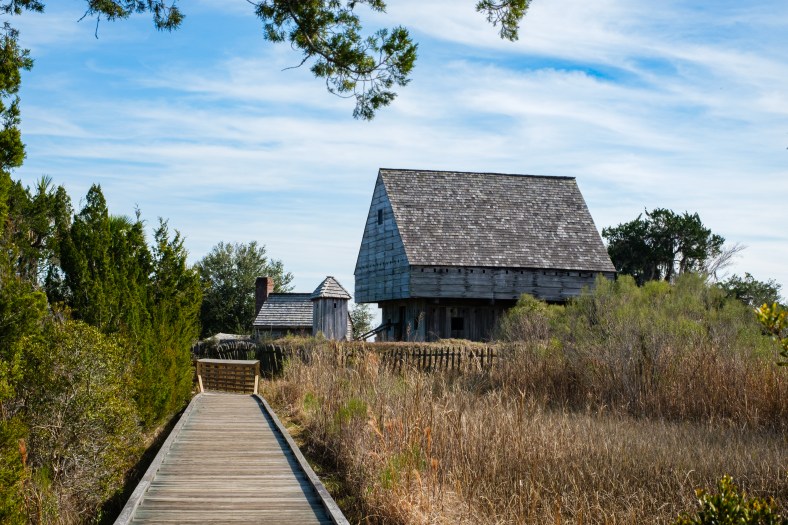
Fort King George Blockhouse (Image: Carrie Hanrahan)

While returning home from a trip to the Cumberland Island National Seashore in Georgia, I spotted a sign on Interstate 95 for the Fort King George State Historic Site. Being the history buff that I am, I just had to take the exit to the Fort King George State Historic Site and discover what it was all about.

One of a number of coastal fortifications in Georgia, I believe that this one is really amazing since it was discovered through archaeological surveys in the 1930s. The state of Georgia purchased the site in the 1940s. As a result of this purchase, the site has been fully reconstructed and was opened to the public in 1961.

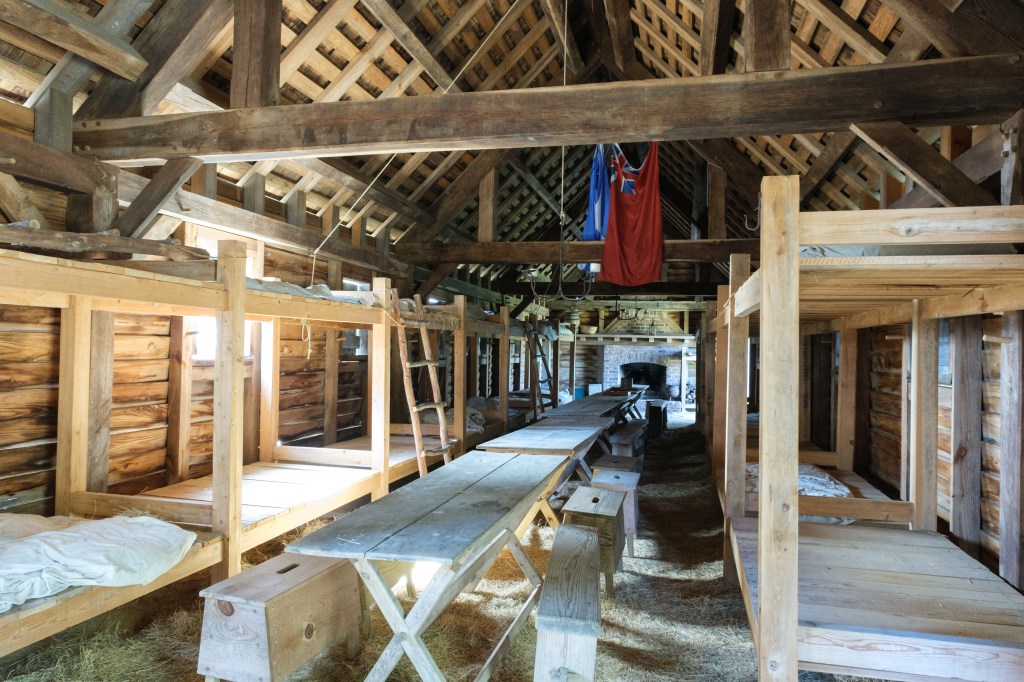
The oldest, rebuilt English Fort remaining on the coast, it includes a large number of buildings representing the different communities of people who lived on the land. They even used the original plans from the British Public Records office in London, England to reconstruct the cypress blockhouse.

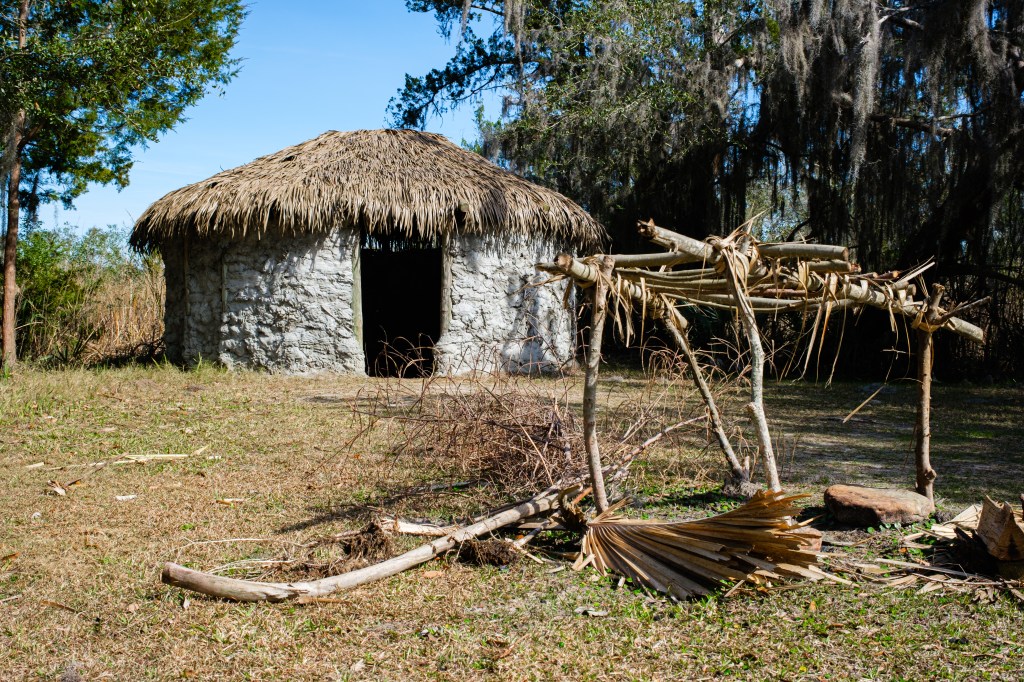
The first inhabitants were the Guale, an indigenous people, who found that the nearby Altamaha River and land provided an ideal place to live. The population slowly dwindled as a consequence of the introduction of disease and fighting by Spanish colonists. A Spanish Mission tried for over a hundred years to Christianize the Guale, but after attack by British allies, abandoned the area in 1661.
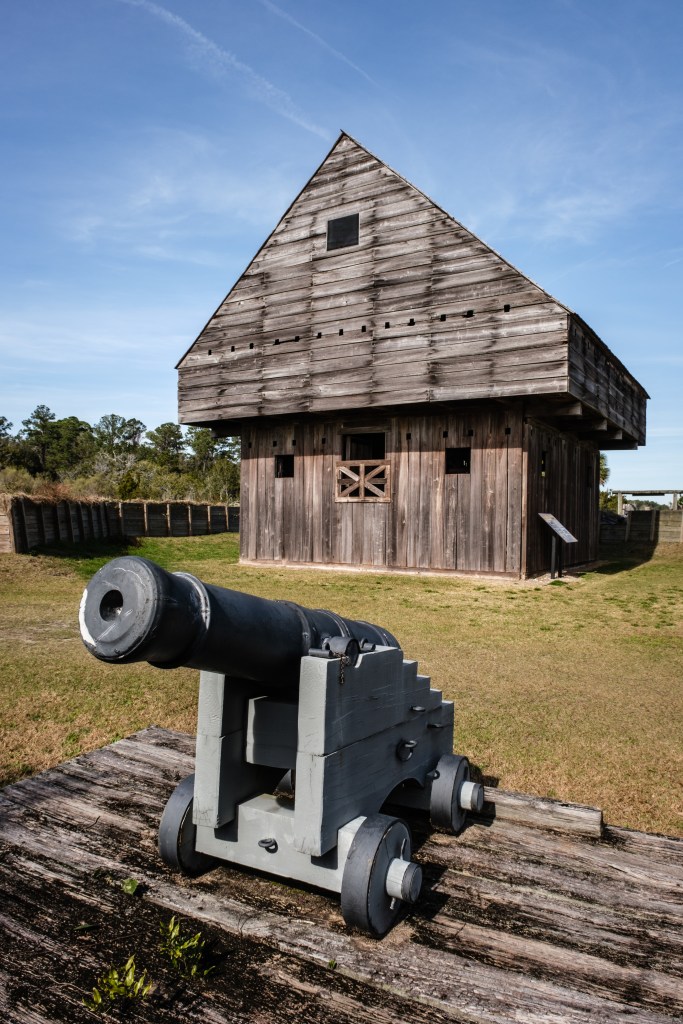
After that, Carolina was founded in 1670 and split into the North and South Carolina colonies in 1712. Needing to protect the now British owned Carolina border from the Spanish in Florida, Fort King George was built in 1721. The 18th century fortification was the only southern outpost of the British empire and for almost 7 years troops garrisoned the fort. After lack of support from the government and two fires, the fort was decommissioned in 1727.

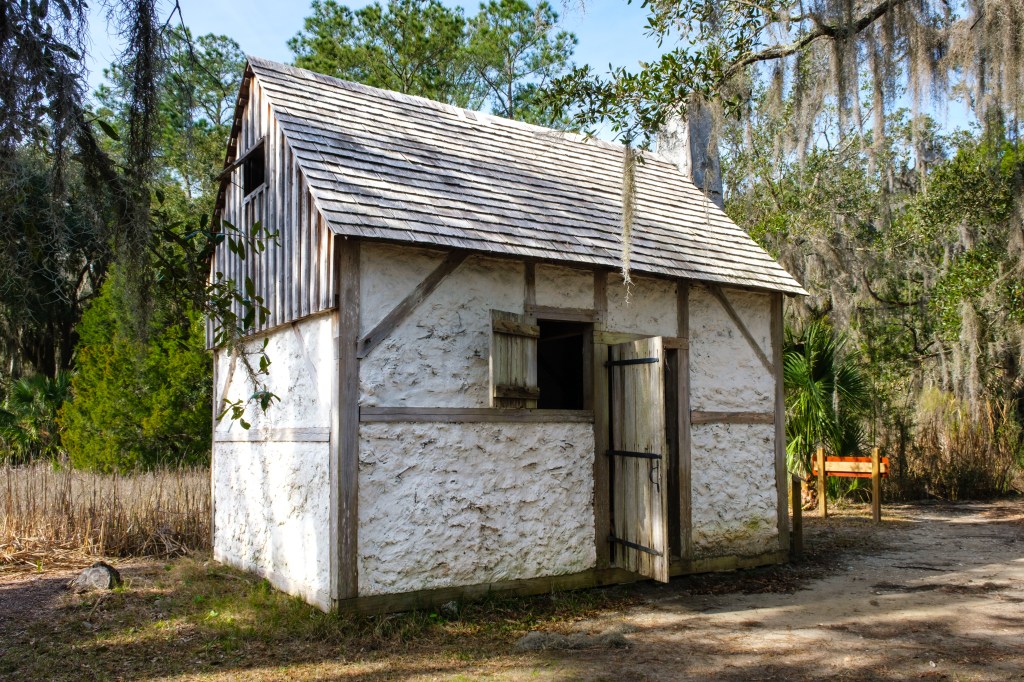
Ten years later, a new settlement was created here by a group of Scottish Highlanders, brought in by the British, called New Inverness. Their mission was to protect the colony for the British Crown.
Later, having been renamed Darien, the town thrived with the lumber industry due to its shipping ports. Eventually, the demand for cypress and yellow pine depleted the area forests and the mills closed down. With the ocean so nearby, shrimping became a way of life for many and still is today.

Taking the exit to the Fort King George State Historic Site was like taking a step back in time. Today, you can head to the visitor center for a short film about the history, talk with one of the rangers and view a number of artifacts. Step outside of the visitor center where you can explore the ruins of an old sawmill, see a pit saw and historic saw blades. After that, take the boardwalk past the tidal mill holding pond and cross over the marsh to the fort.
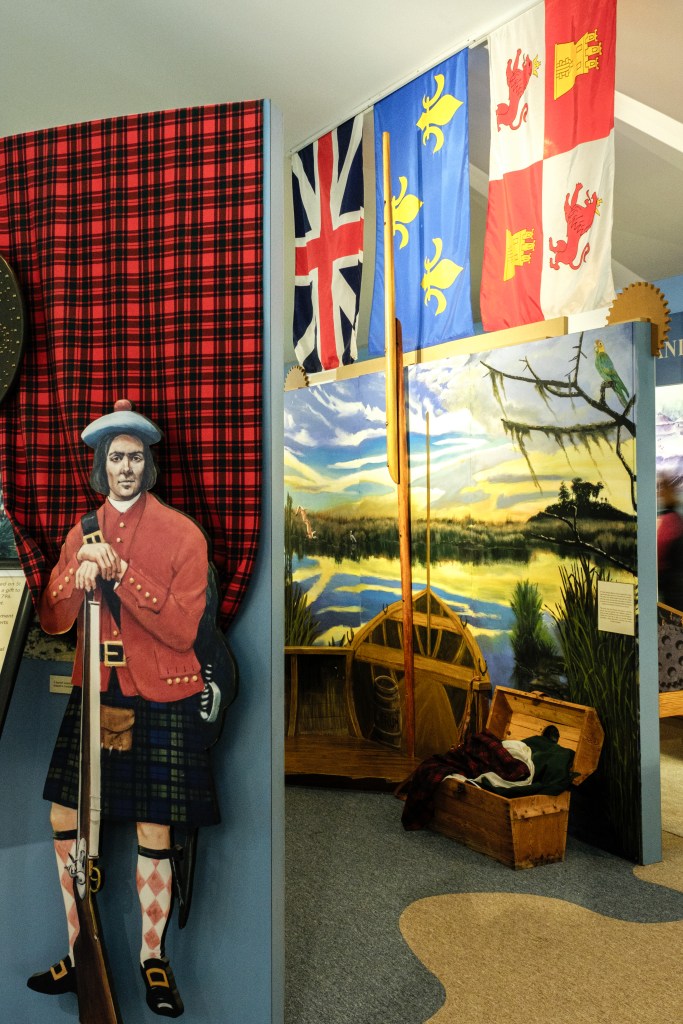
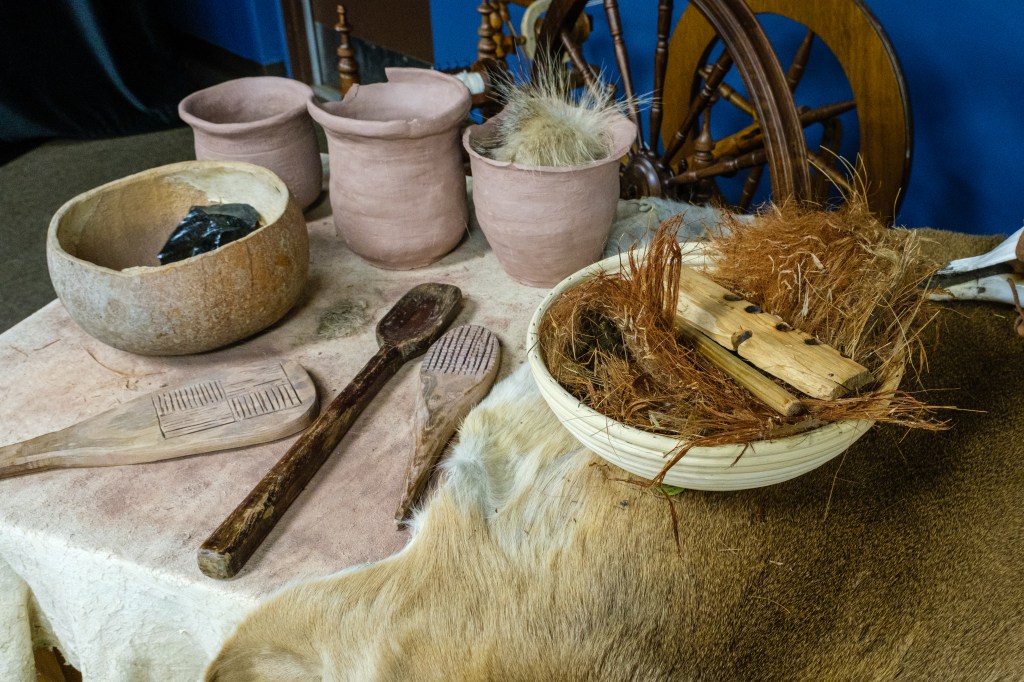
Next, you’ll want to explore the large number of reconstructed buildings within the fort area, a Guale roundhouse, a Highlander cottage, and the soldier’s cemetery.
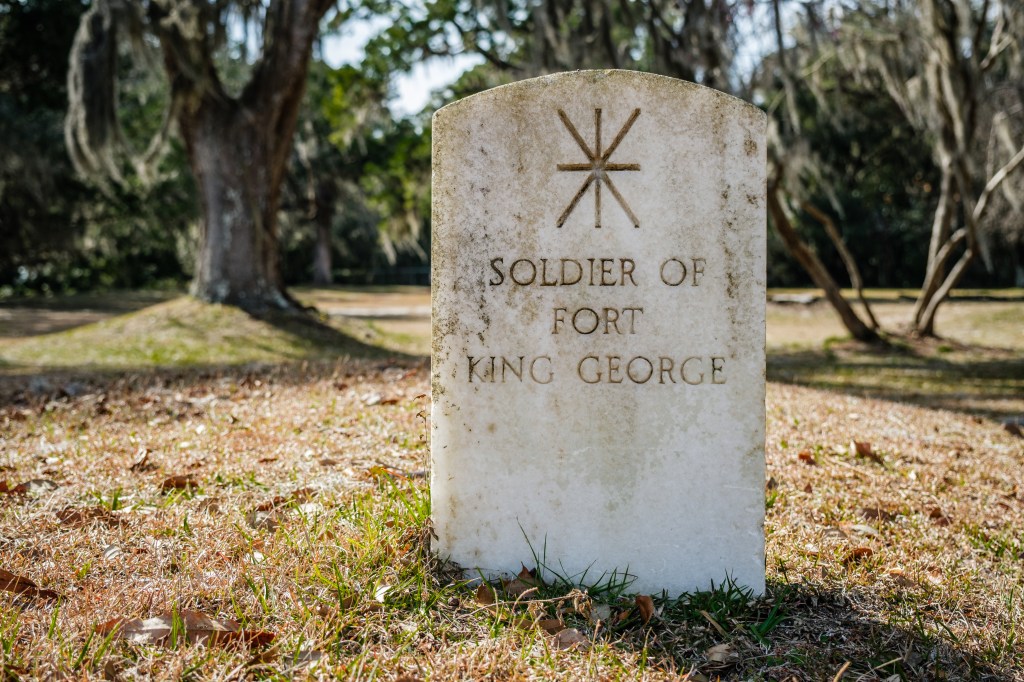
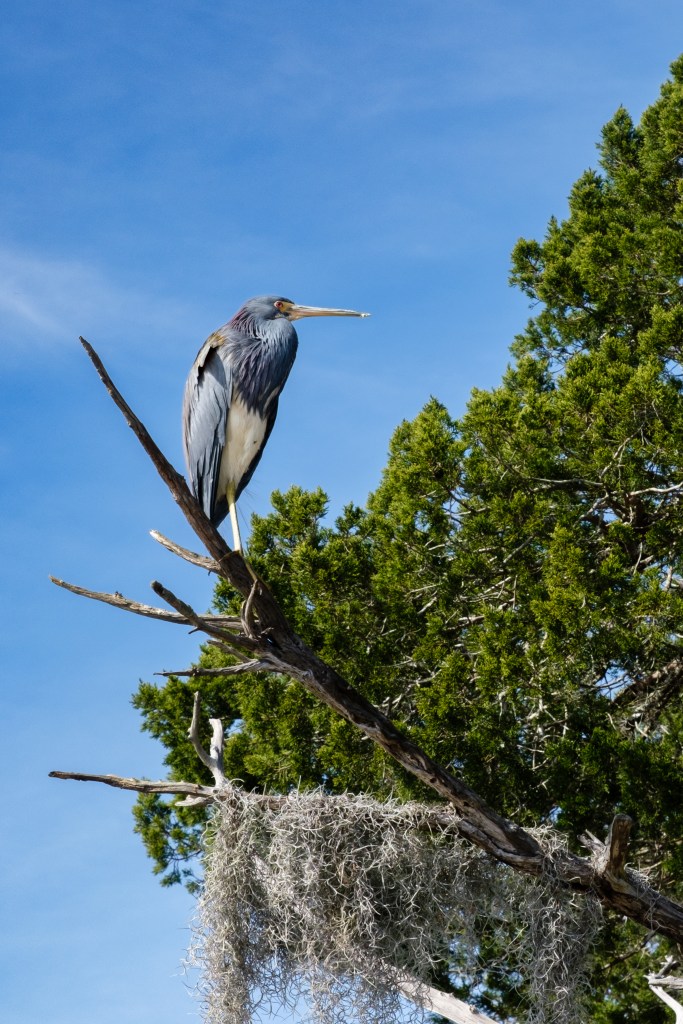
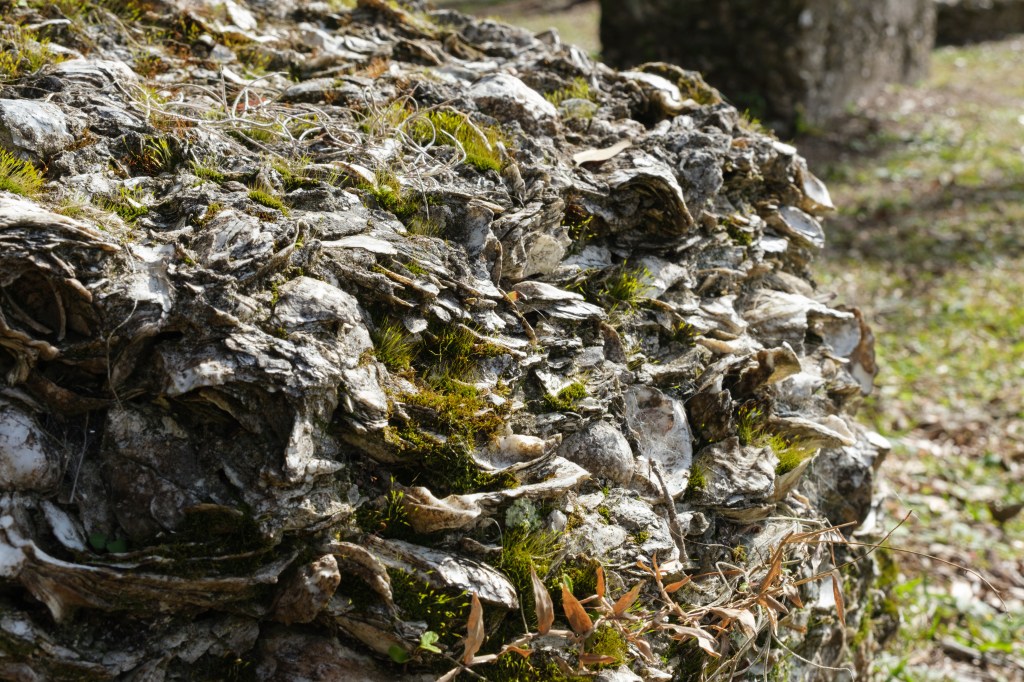
Finally, enjoy the nature trail and the numerous birds, as the site is along the Colonial Coast Birding Trail. Be sure to view the tabby ruins near the cemetery and gaze at the beautiful Altamaha River. If you have time to plan your visit, they host a number of events throughout the year such as the Scottish Heritage Day, an Autumn Encampment and A Scottish New Year. The park is open Tuesday – Sunday, with a reasonable admission of under $10 a person.

So, will your travels find you “Taking the Exit” to a magical location? I’d love to hear your thoughts on my trip of taking the exit to the Fort King George State Historic Site and any locations that you have discovered and would recommend I exit to next.

Roaring River Vineyards, Traphill, NC

A Hidden Gem!

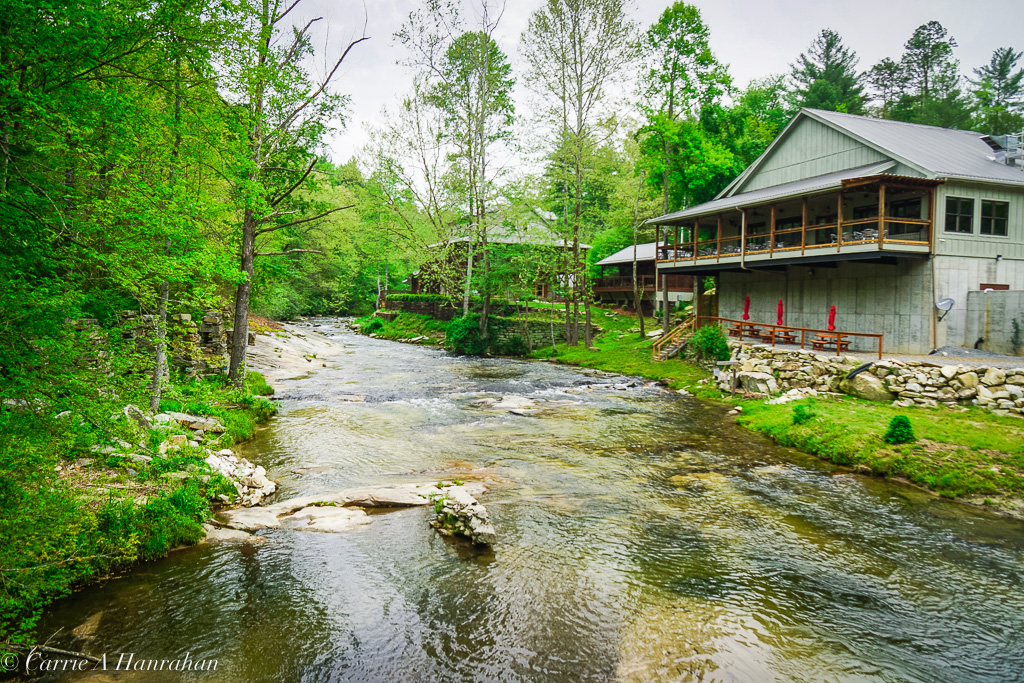
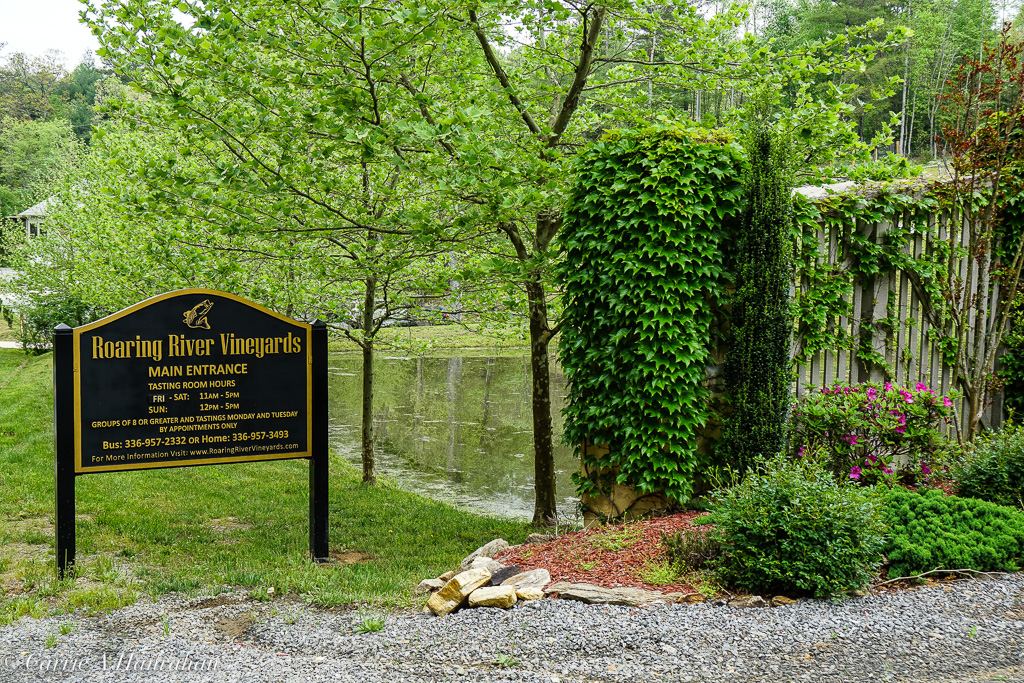
Tucked away next to the Roaring River in Traphill, North Carolina is a French inspired vineyard.  If you are lucky enough to book a stay at this hidden gem, you are in for a relaxing getaway.  You will find a rustic tasting room, which is also home to Chez Josephine an amazing restaurant.  You can book lodging at one of the 3 room suites that overlook the river or at the cute cabin on the property.
roaring river 3

The tasting room overlooks the tranquil and clear Roaring River!

Roaring River 2-2

Festus and Rusty are the official greeters that welcome guests to their home!

Roaring River_-8Roaring River_-2

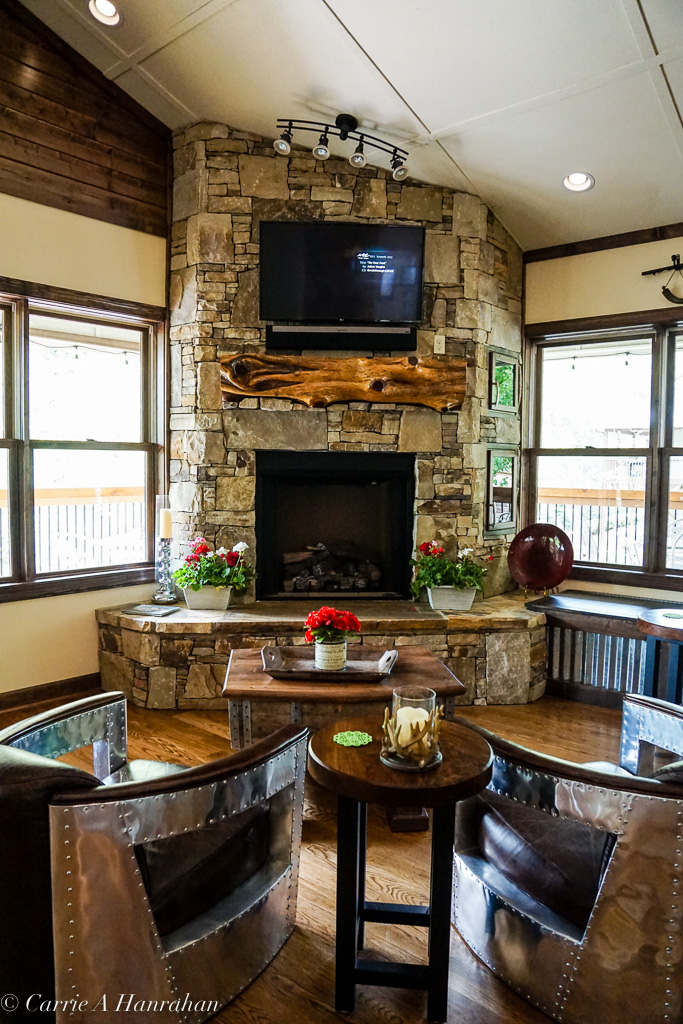
The tasting room is beautifully decorated and very comfortable.  You could spend hours here.

Staying at the vineyard is like having your own private oasis.  You have a beach to use, stunning views of the river, and an outdoor fireplace to relax.  You can also use the hot tub or play horseshoes.

Roaring River_-15

The river is full of trout for fly fishing or you can throw for bass in either the river or pond.

Roaring River_-10Roaring River_-16

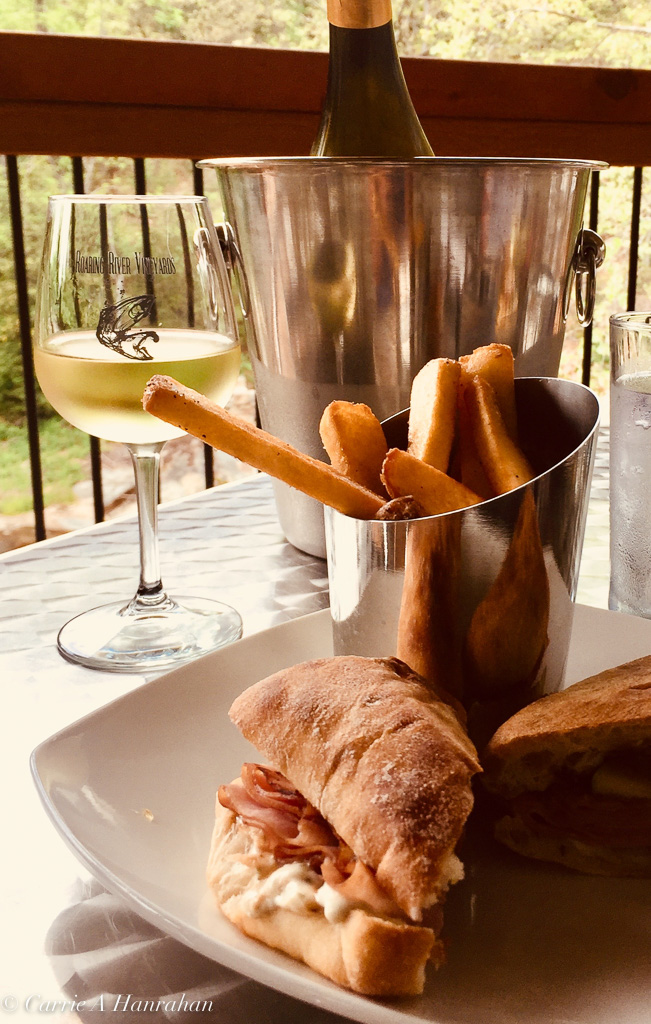
The highlight of this trip is of course the wonderful wines and the amazing food at Chez Josephine.  The chef and her staff really care about your experience and create some amazing menu items.  I really can’t say enough about the food and wine.

Roaring River_-17

I thoroughly enjoyed all the wines we tasted and purchased.  There is definitely a spirit of France in the air.

Roaring River_-6Roaring River_-7

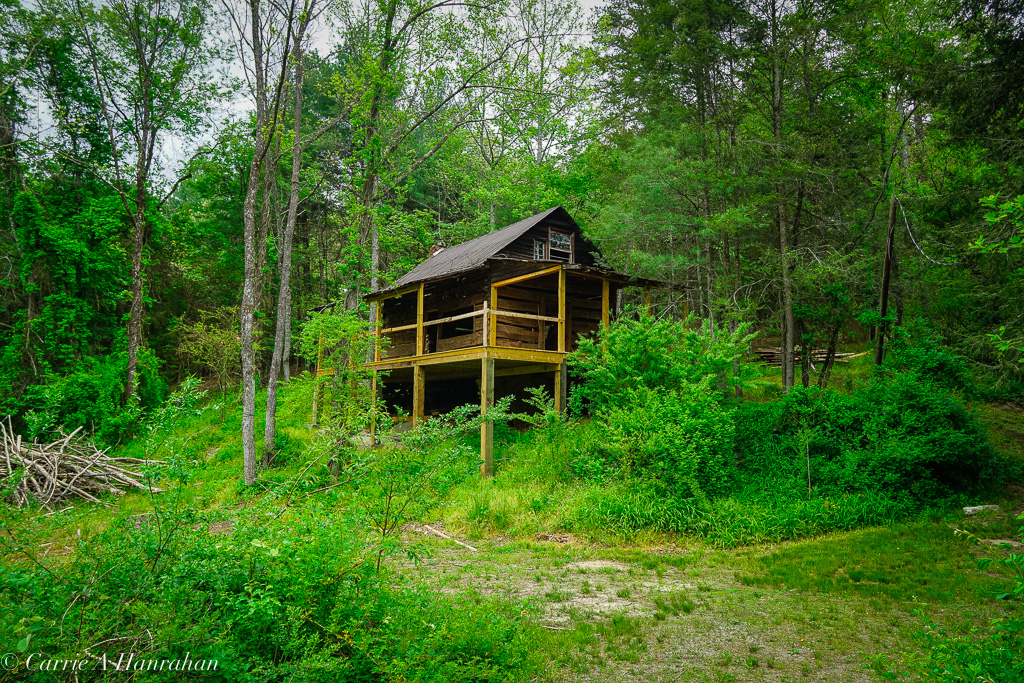
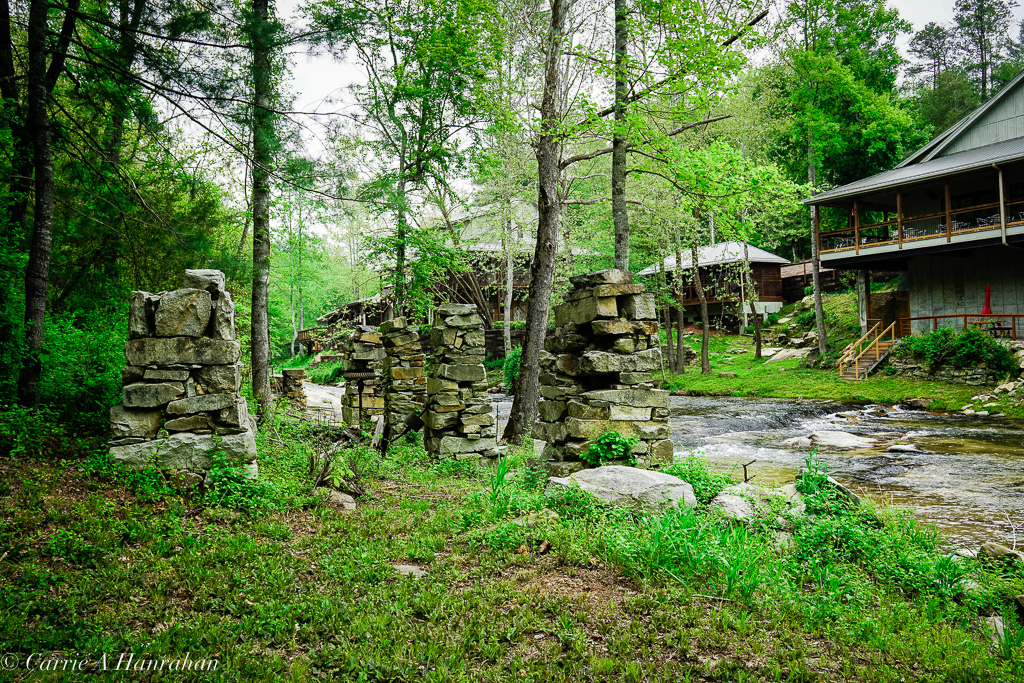
There is also some fascinating history at the vineyard.  The tasting room is built on the site of the former Brewer Mill gristmill and looking across the river you can see the 1870 historic area where there is a cabin and the colums that held up the sawmill.


Exploring the hiking paths on the property take you around the vineyards and also to a beautiful cross that has a story attached to it.  Hearing the story from Tom the owner, makes you believe that all things happen for a reason.  You will have to ask him when you go visit.

To plan your getaway to this amazing hidden gem, head to http://www.roaringrivervineyards.com


Victoria Valley Vineyards, SC via The Cradle of Forestry, NC

A Forest Exploration and then a little wine!

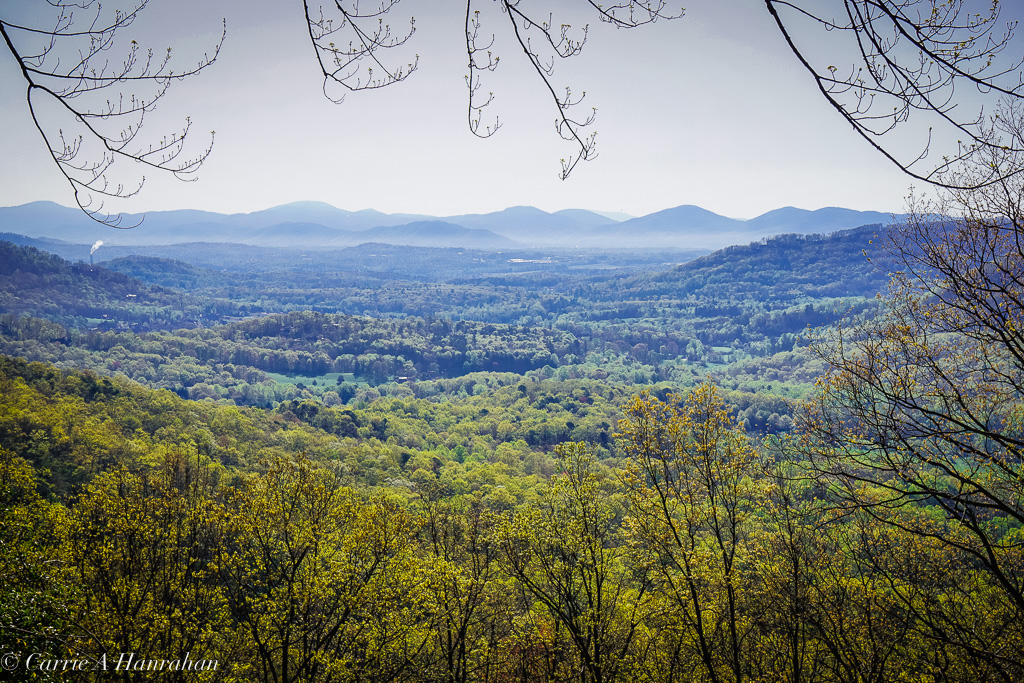
A short 4 mile drive off of the stunning Blue Ridge Parkway near Asheville, North Carolina will lead you to The Cradle of Forestry.

Cradle of Forestry-2

 Blue Ridge Parkway views

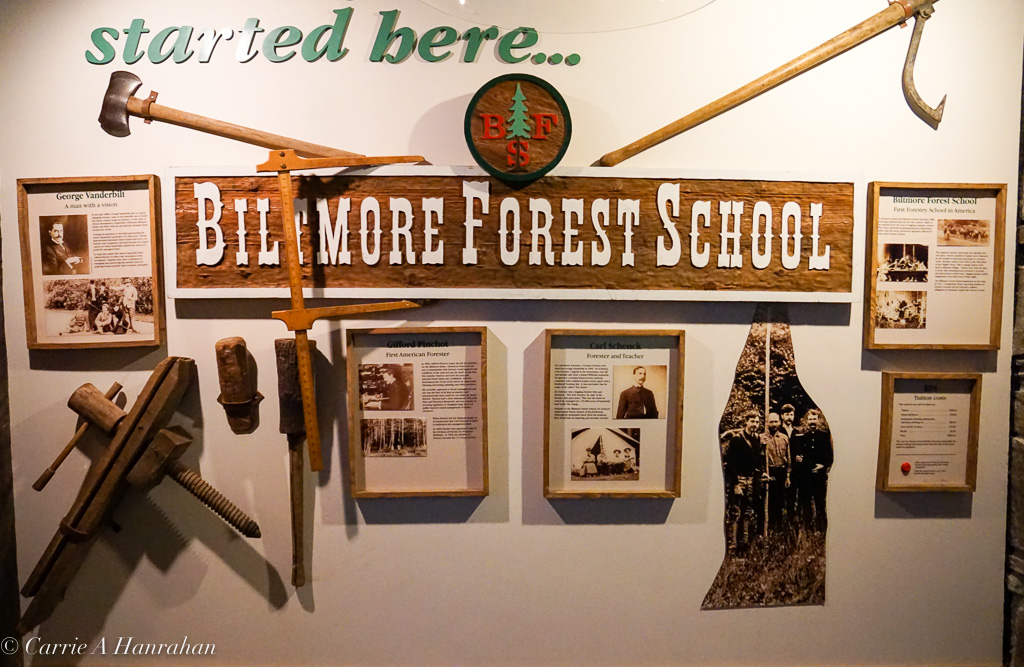
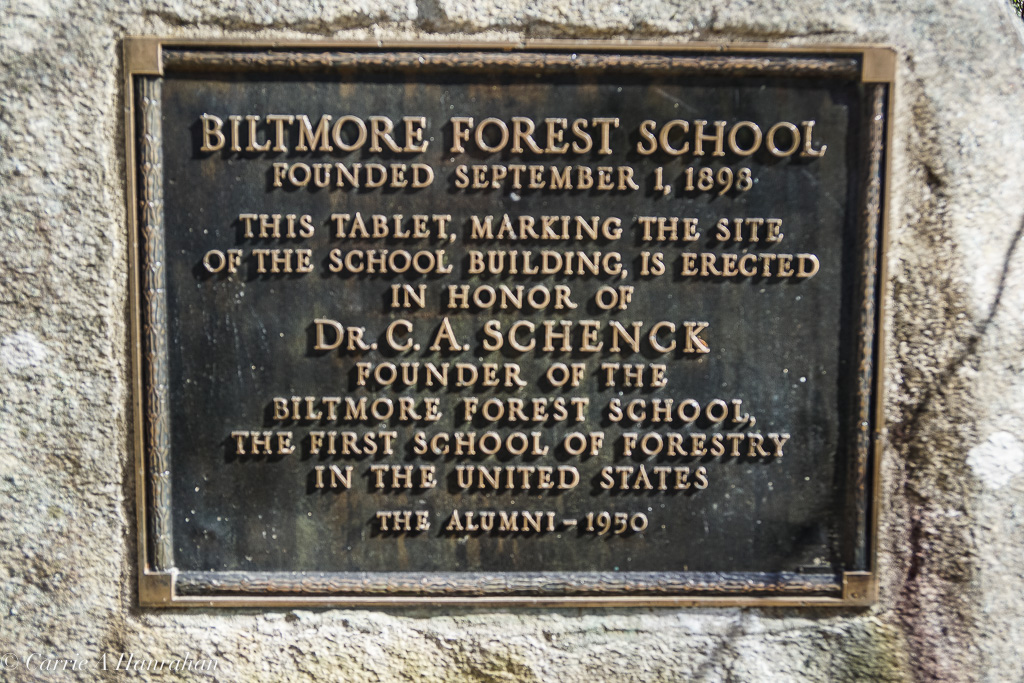
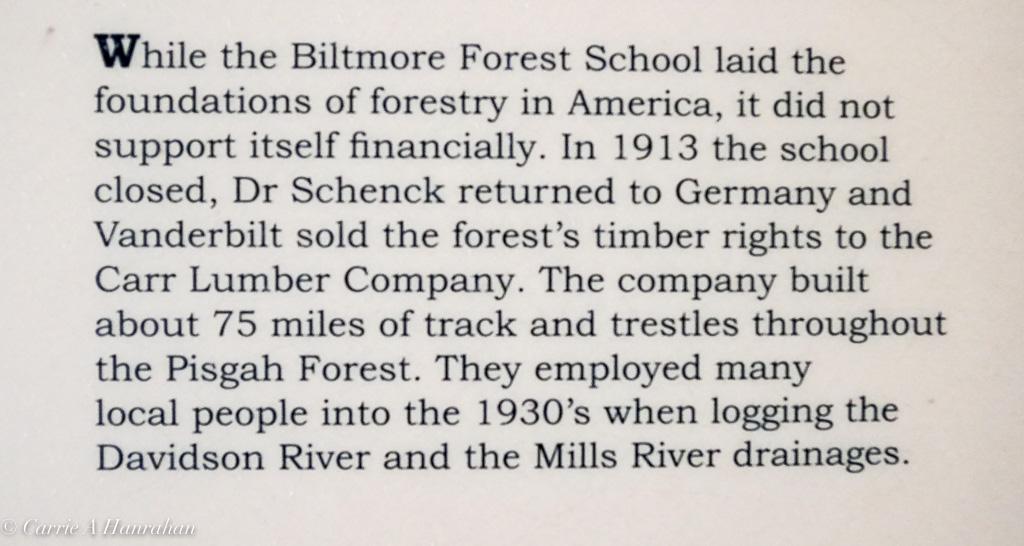
This American Heritage Site is the location of the first School of Forestry in the United States.  The Biltmore Forest School was founded in 1898 by Dr. Carl A. Schenck on the property of Biltmore Estate owned by George W. Vanderbilt.

The location in the Southern Appalachian Mountains was perfect for Dr. Schenck to operate his “practical forestry” school.  A native of Germany, he believed that a hands on approach paired with classroom learning was the best way to create knowledgeable foresters.  The US Forest Service and The Cradle of Forestry Interpretive Association jointly manage the 6500 acre historic site.

Forest Discovery Center

Cradle of Forestry-3

Biltmore Campus Trail

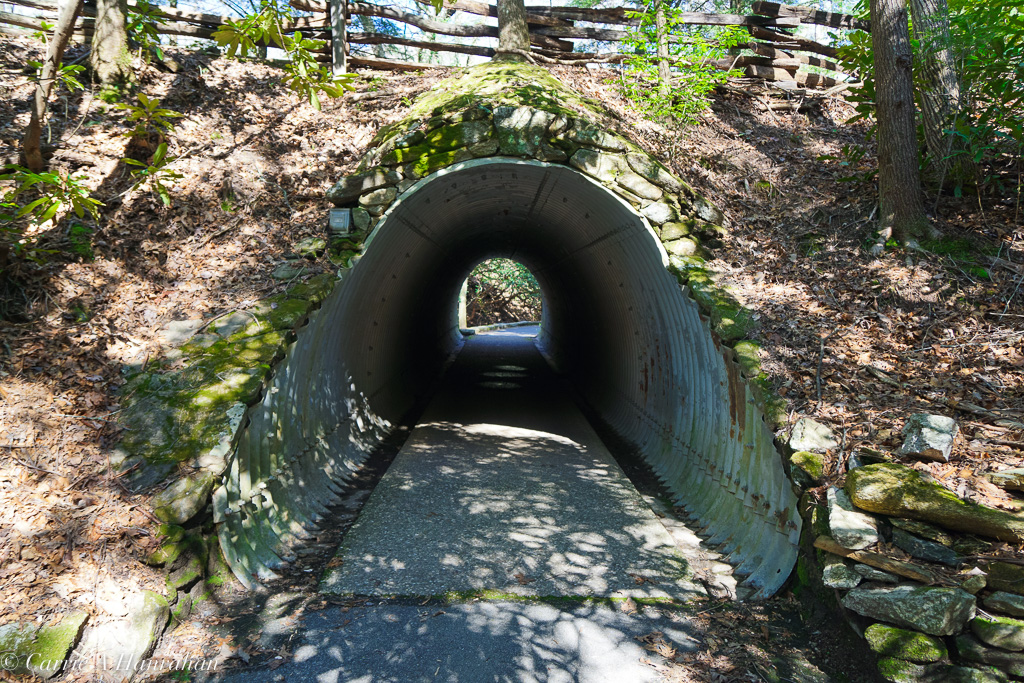
A historic 1 mile paved trail that has many original buildings to the Biltmore Forest School.

Cradle of Forestry-11

The trail includes a tunnel under the road above.

Cradle of Forestry-7

The Ranger’s Dwelling constructed in 1882 housed Vanderbilts rangers and 8 forestry students.

Rock House Creek Lodge and Cantrell Creek Lodge are two Black Forest Lodges.  These lodges are post and beam construction and built imitating the architecture of Germany’s Black Forest lodges.

Cradle of Forestry-33

Interior of Cantrell Creek Lodge

The Forest Festival Trail

A peaceful trail with the sounds and smells of a vibrant forest with active study sites.

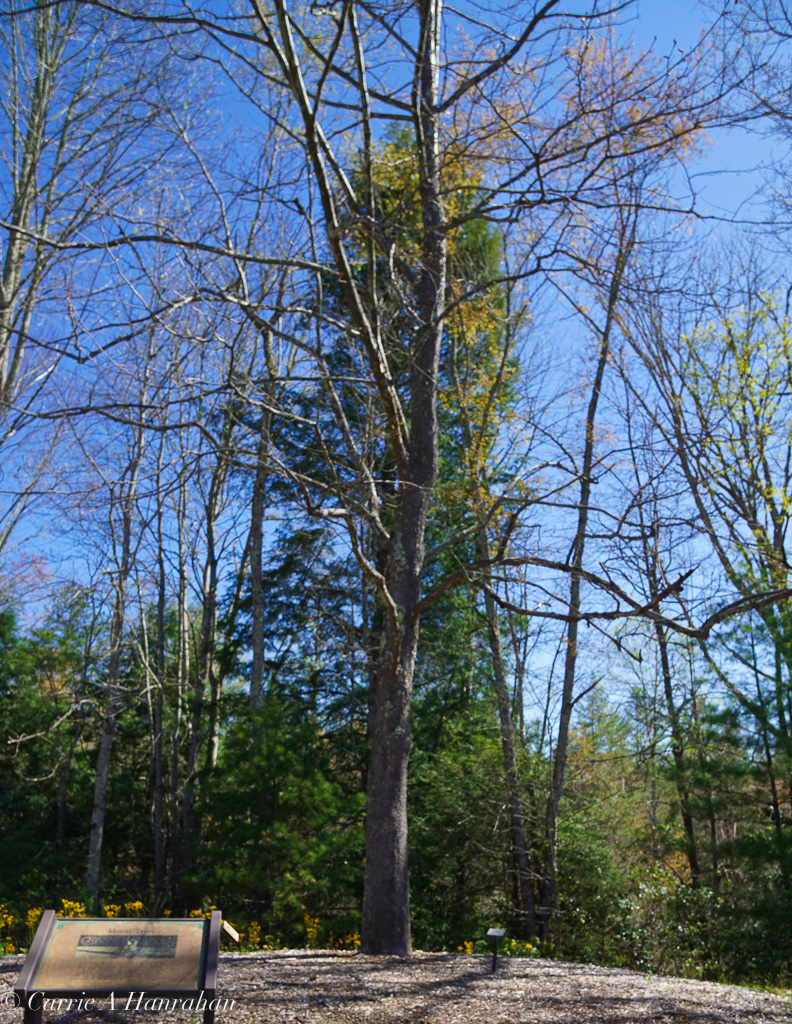
On the way to the trail you pass the Moon Tree.  The seed for this tree orbited the moon in 1971 with astronaut Stuart Roosa, a former Forest Service smoke jumper.

asasa

Cradle of Forestry-17

Peaceful pond and retaining area.

Cradle of Forestry-18

Life and decay!

Cradle of Forestry-22

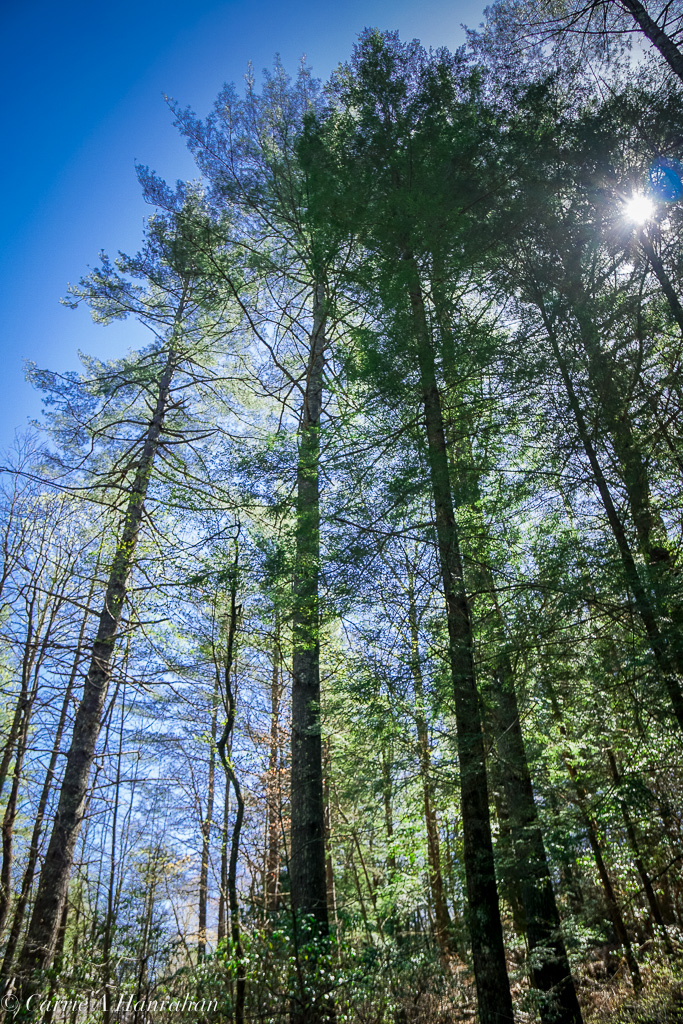
Forest of beauty

Cradle of Forestry-21

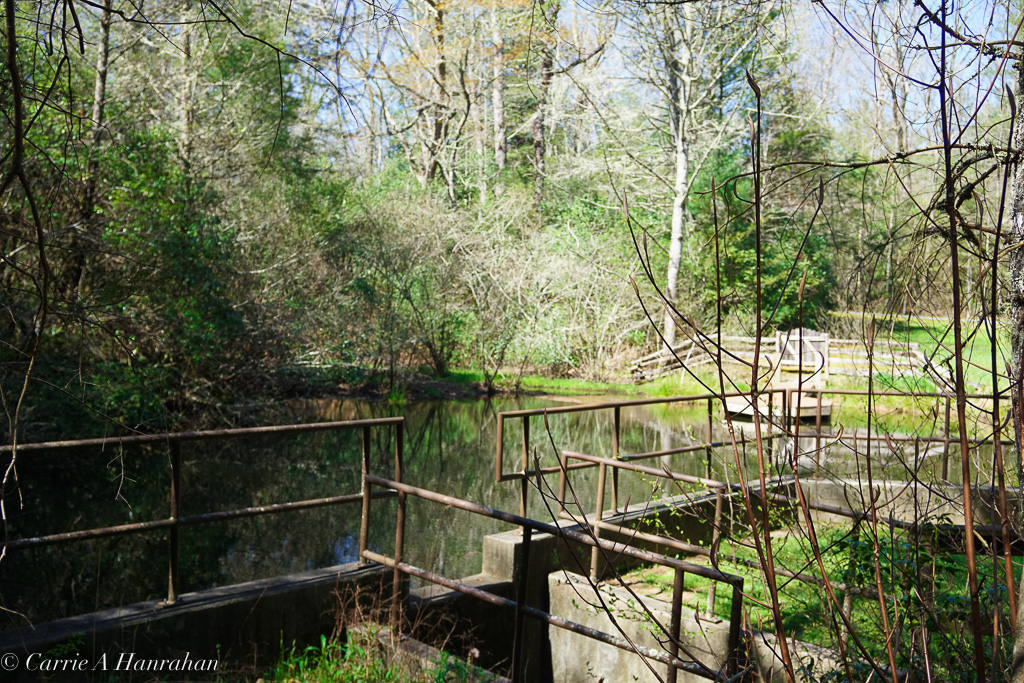
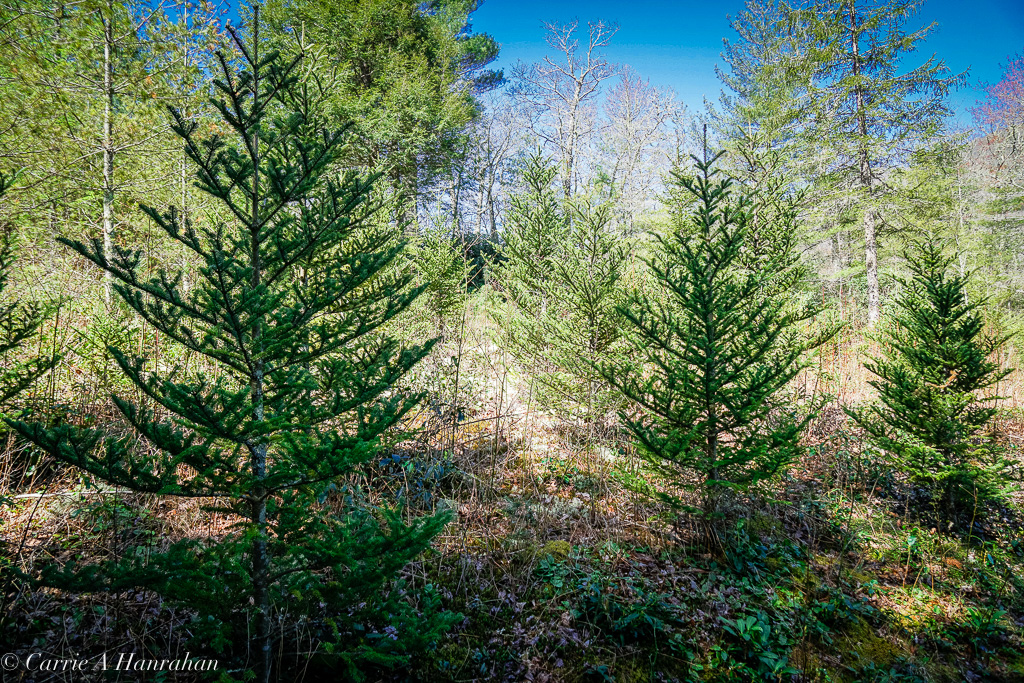
A trial area to see what grows best.

Cradle of Forestry-29

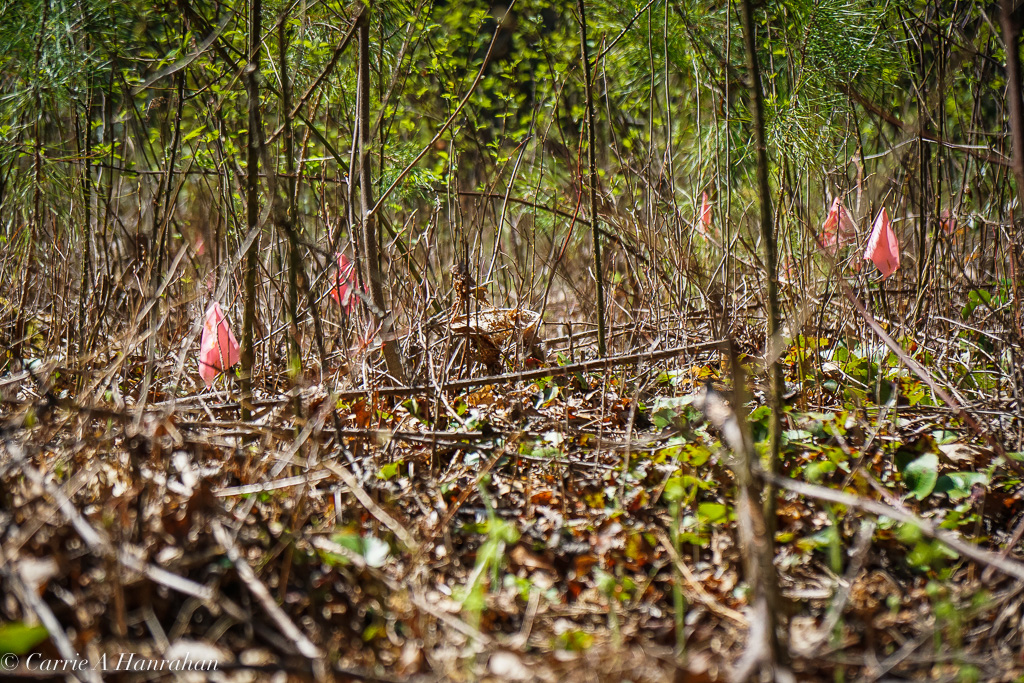
Pink flags mark newly planted trees.

A 1914 Climax logging locomotive was restored and brought to the site to teach about the logging industry.

Unfortunately, the school closed in 1913.

Cradle of Forestry-25

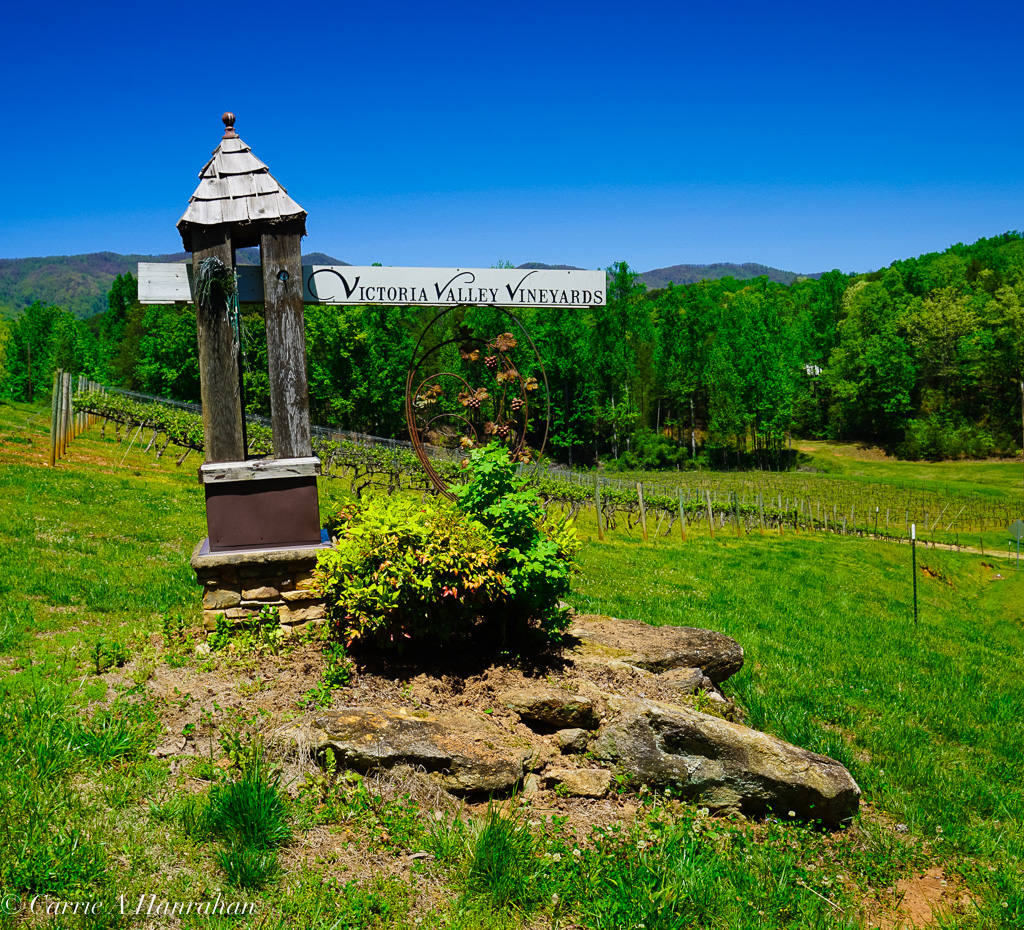
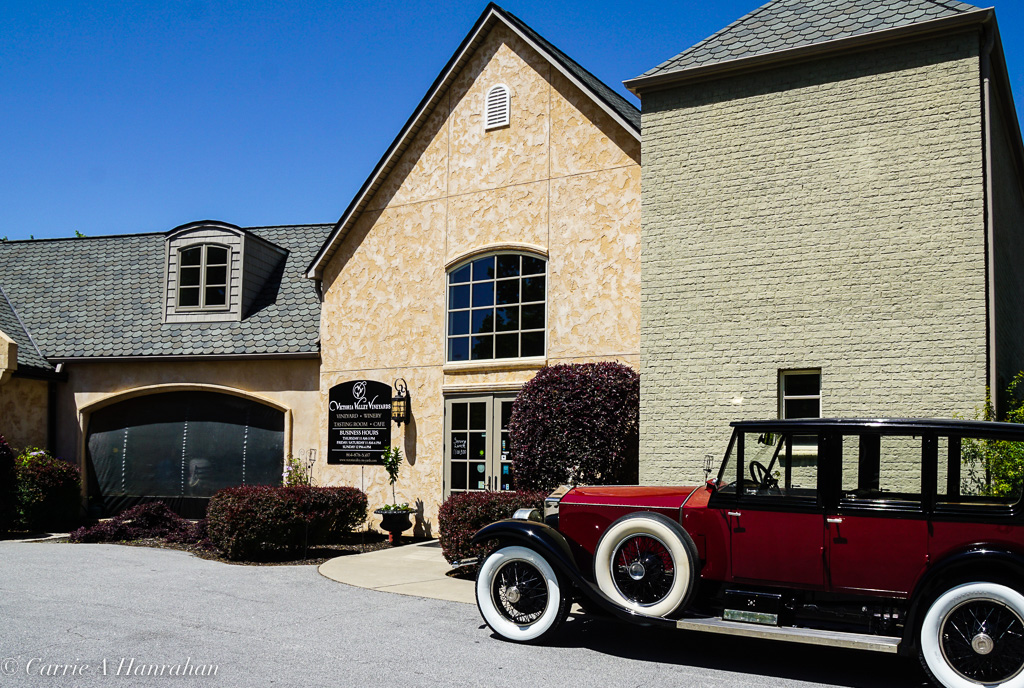
After a morning of exploring, I was off to Victoria Valley Vineyards in Cleveland, South Carolina.  This European styled vineyard and “chateau” is a perfect place to relax and enjoy some wine.

Victoria Valley Vineyard-9

Victoria Valley Vineyard

European styled “chateau” awaits you

Unique wine tasting flights.            Stunning tasting room!

Beautiful views from the outdoor patio.

To create your own forest adventure, check out http://www.cradleofforestry.com

Head to http://www.victoriavalleyvineyards.com to plan your next outing.


Stone Hill Winery, Hermann, MO

Preserving History!

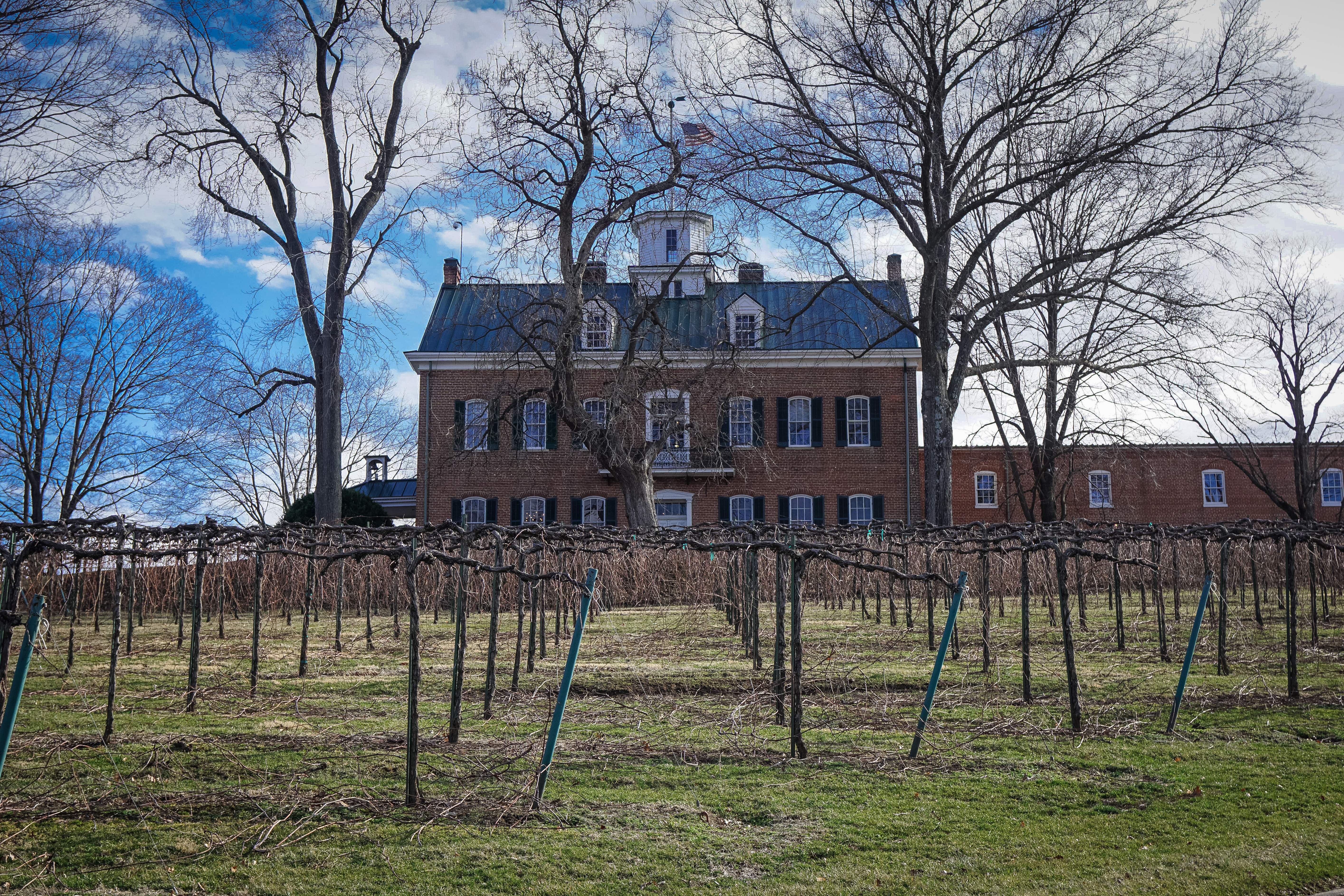
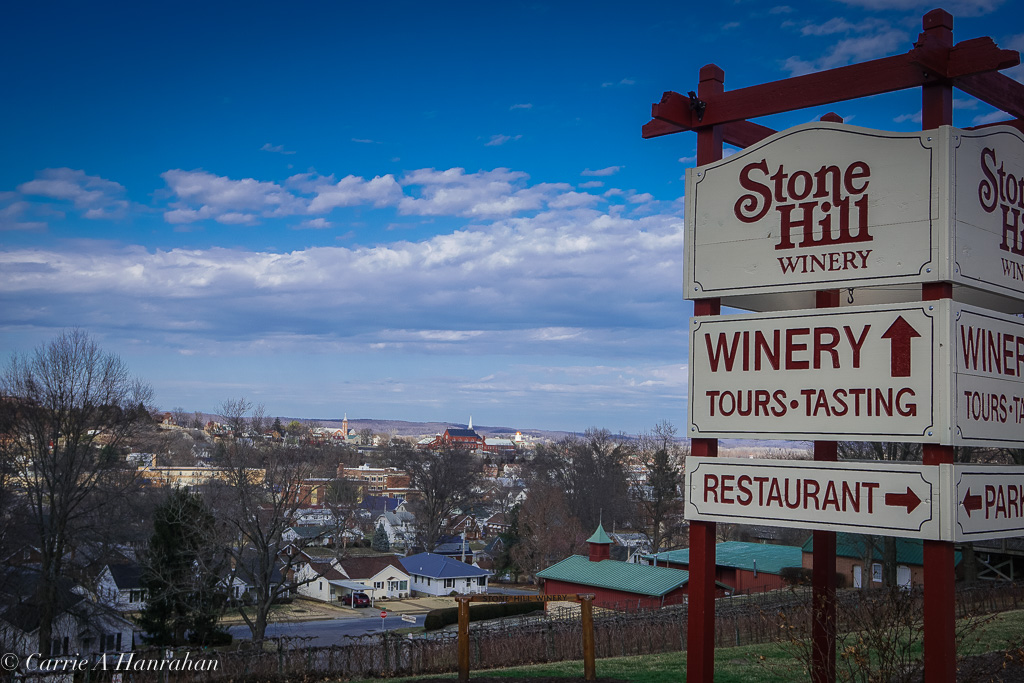
A recent road trip took me to the quaint town of Hermann, MO, where I found Stone Hill Winery.  The winery, Missouri’s oldest, was established in 1847.  Prohibition caused the destruction of equipment and vineyards, but in 1965 it was purchased and restored.

DSC04427

On the National Register of Historic Places

Stone Hill Winery

The vineyards used to cover the town!

This slideshow requires JavaScript.

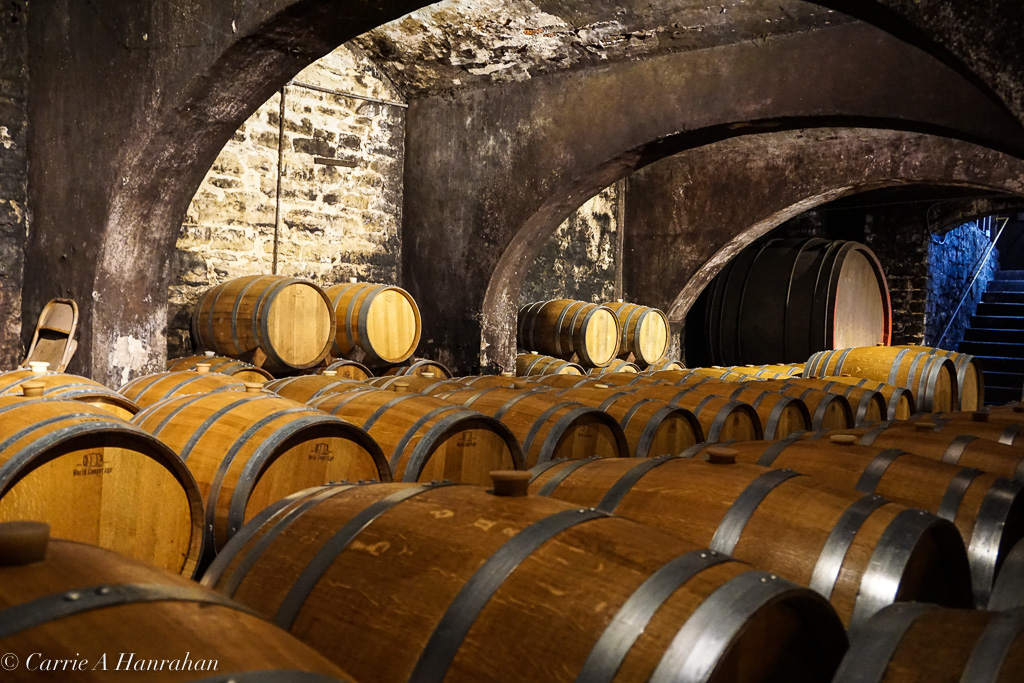
The cellar tour was like walking back in time.  The underground cellars are the largest series in North America and were hand dug over 25 years.

Stone Hill Winery-15

Endless rows of barrels

Stone Hill Winery-19

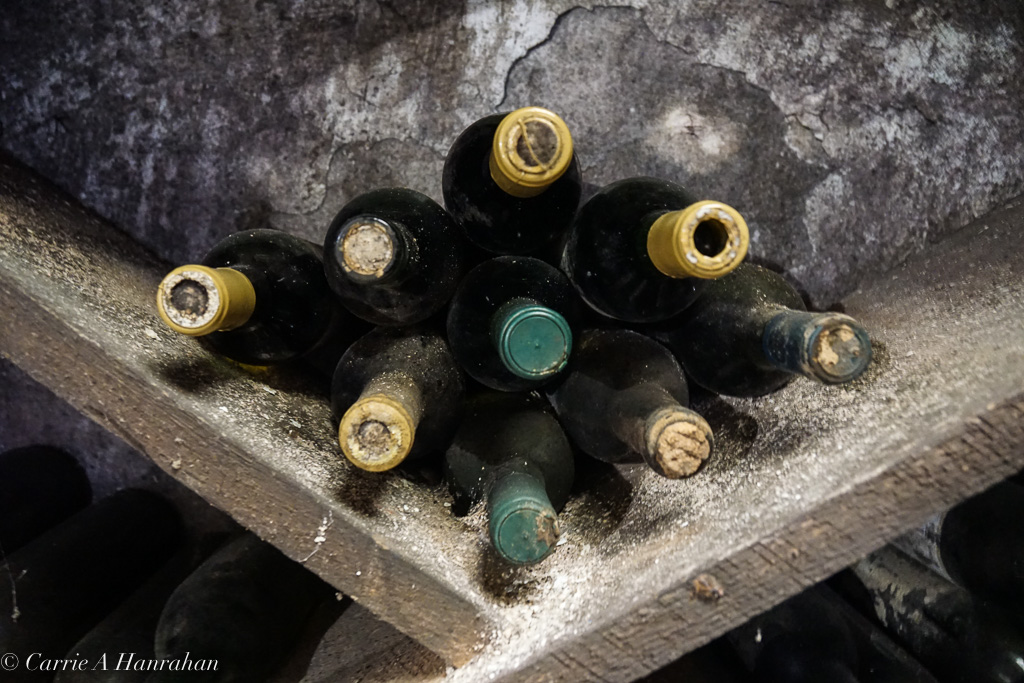
Original bottles of wine

This slideshow requires JavaScript.

I hope you are inspired to make your own road trip to Hermann, Missouri!

To make plans to visit, check their website at: http://www.stonehillwinery.com