
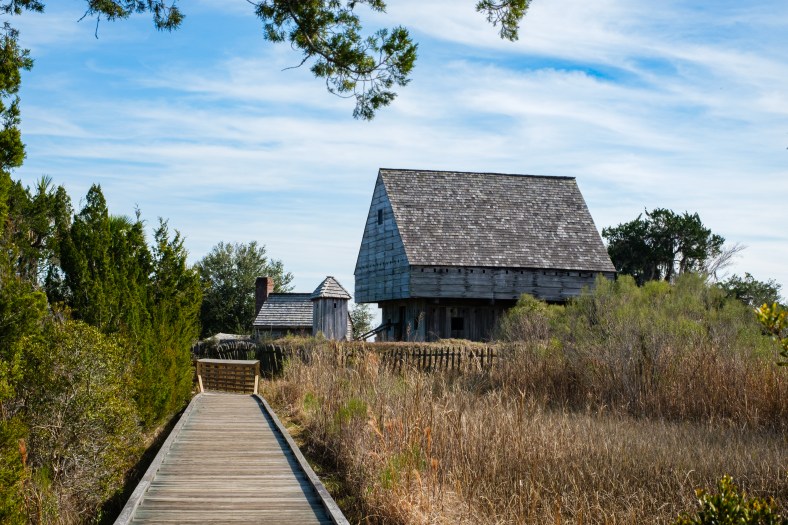

While returning home from a trip to the Cumberland Island National Seashore in Georgia, I spotted a sign on Interstate 95 for the Fort King George State Historic Site. Being the history buff that I am, I just had to take the exit to the Fort King George State Historic Site and discover what it was all about.

One of a number of coastal fortifications in Georgia, I believe that this one is really amazing since it was discovered through archaeological surveys in the 1930s. The state of Georgia purchased the site in the 1940s. As a result of this purchase, the site has been fully reconstructed and was opened to the public in 1961.

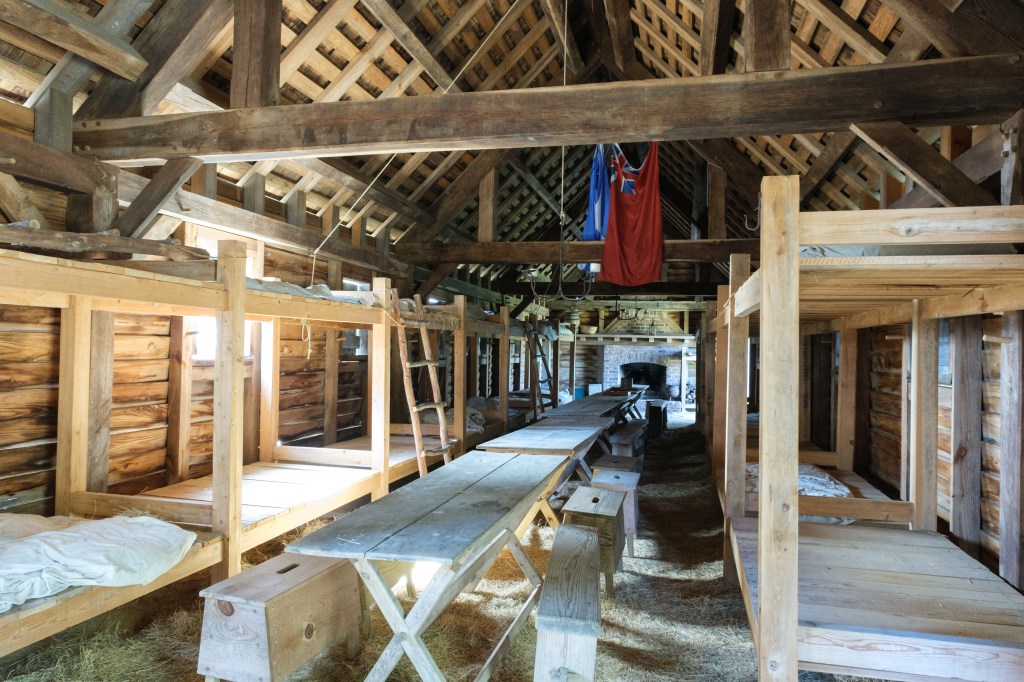
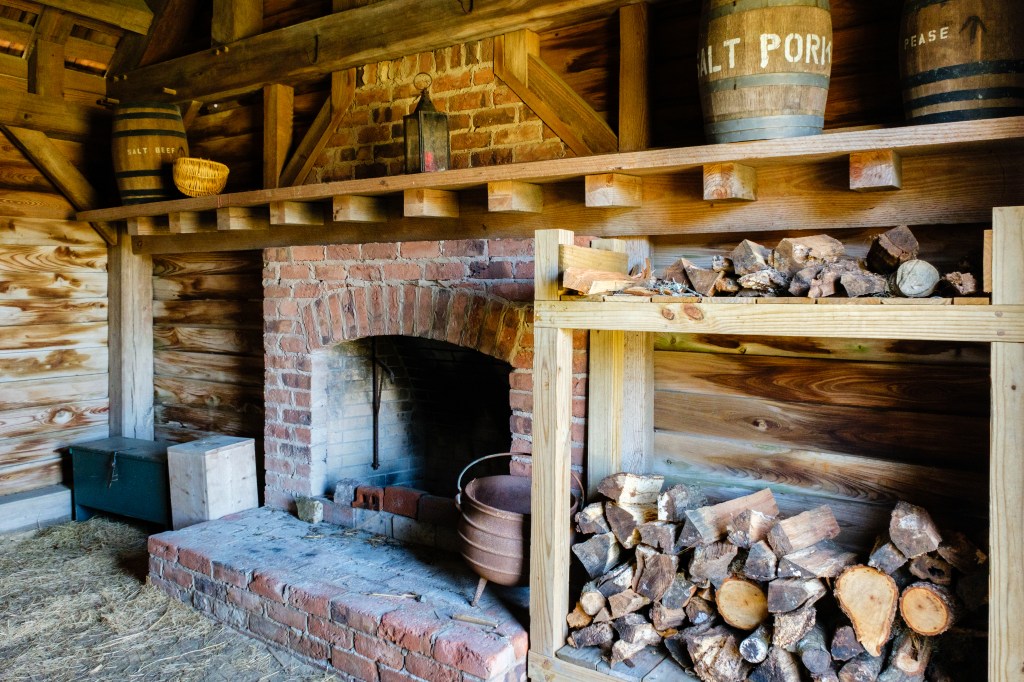
The oldest, rebuilt English Fort remaining on the coast, it includes a large number of buildings representing the different communities of people who lived on the land. They even used the original plans from the British Public Records office in London, England to reconstruct the cypress blockhouse.
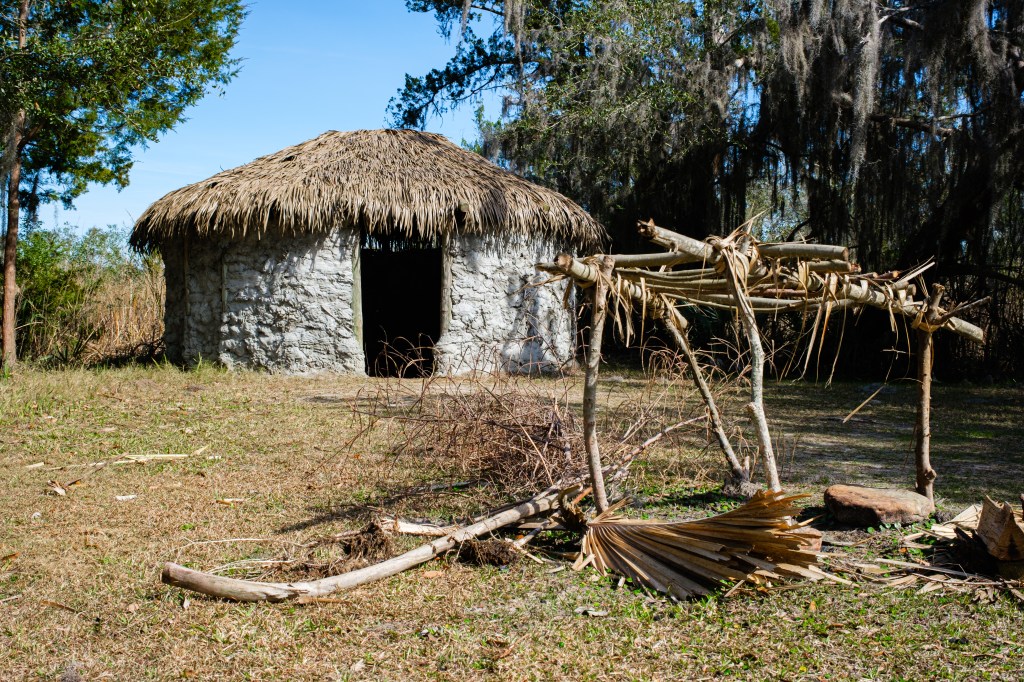
The first inhabitants were the Guale, an indigenous people, who found that the nearby Altamaha River and land provided an ideal place to live. The population slowly dwindled as a consequence of the introduction of disease and fighting by Spanish colonists. A Spanish Mission tried for over a hundred years to Christianize the Guale, but after attack by British allies, abandoned the area in 1661.
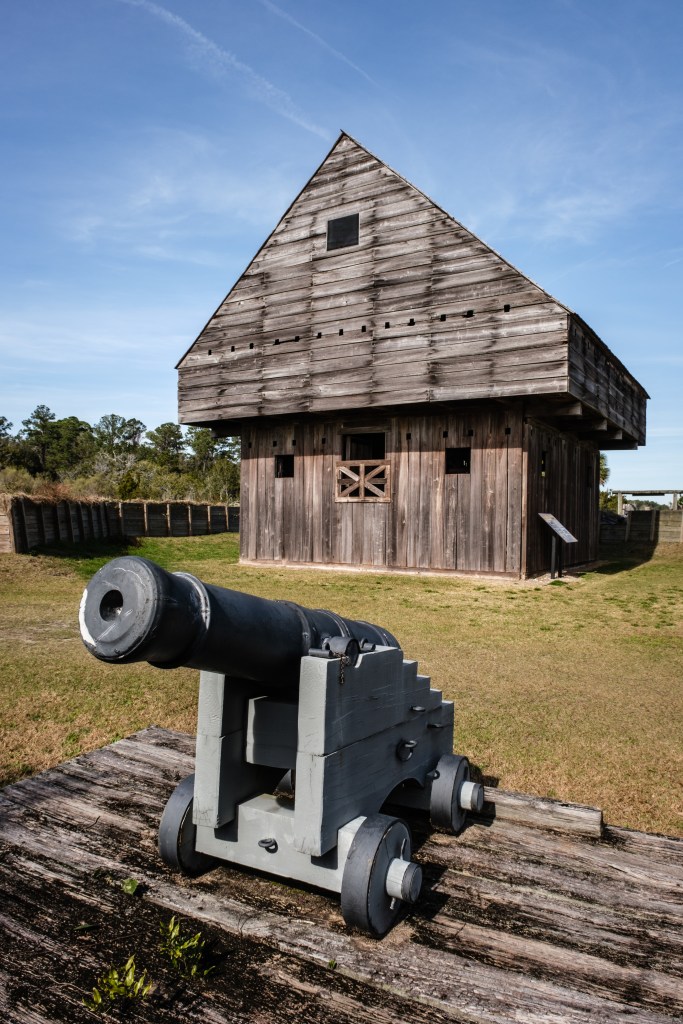
After that, Carolina was founded in 1670 and split into the North and South Carolina colonies in 1712. Needing to protect the now British owned Carolina border from the Spanish in Florida, Fort King George was built in 1721. The 18th century fortification was the only southern outpost of the British empire and for almost 7 years troops garrisoned the fort. After lack of support from the government and two fires, the fort was decommissioned in 1727.
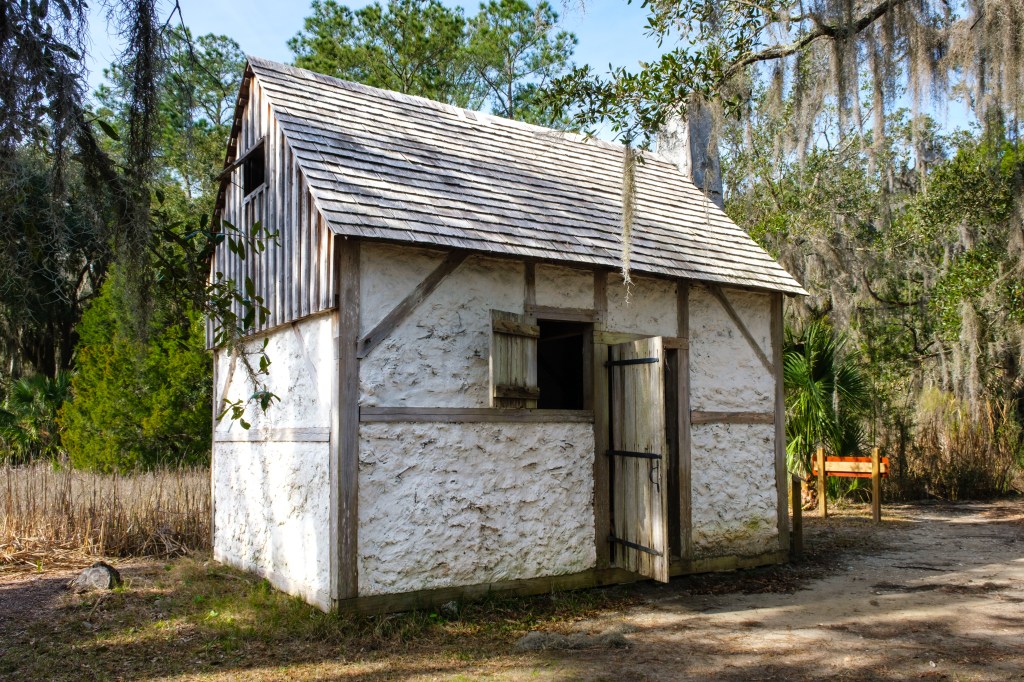
Ten years later, a new settlement was created here by a group of Scottish Highlanders, brought in by the British, called New Inverness. Their mission was to protect the colony for the British Crown.
Later, having been renamed Darien, the town thrived with the lumber industry due to its shipping ports. Eventually, the demand for cypress and yellow pine depleted the area forests and the mills closed down. With the ocean so nearby, shrimping became a way of life for many and still is today.
Taking the exit to the Fort King George State Historic Site was like taking a step back in time. Today, you can head to the visitor center for a short film about the history, talk with one of the rangers and view a number of artifacts. Step outside of the visitor center where you can explore the ruins of an old sawmill, see a pit saw and historic saw blades. After that, take the boardwalk past the tidal mill holding pond and cross over the marsh to the fort.

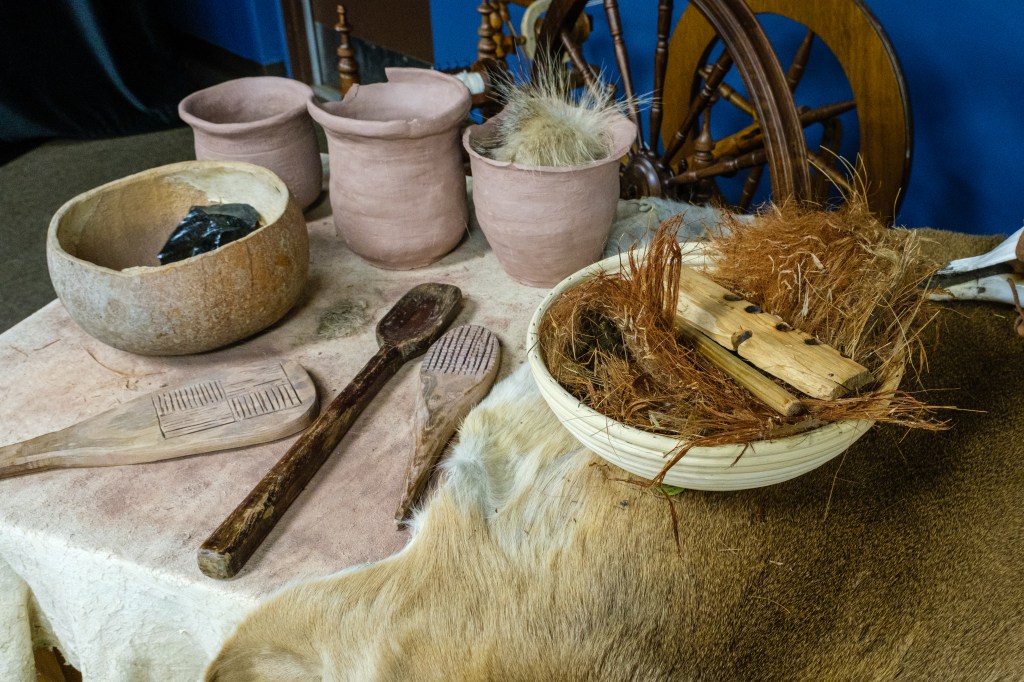
Next, you’ll want to explore the large number of reconstructed buildings within the fort area, a Guale roundhouse, a Highlander cottage, and the soldier’s cemetery.
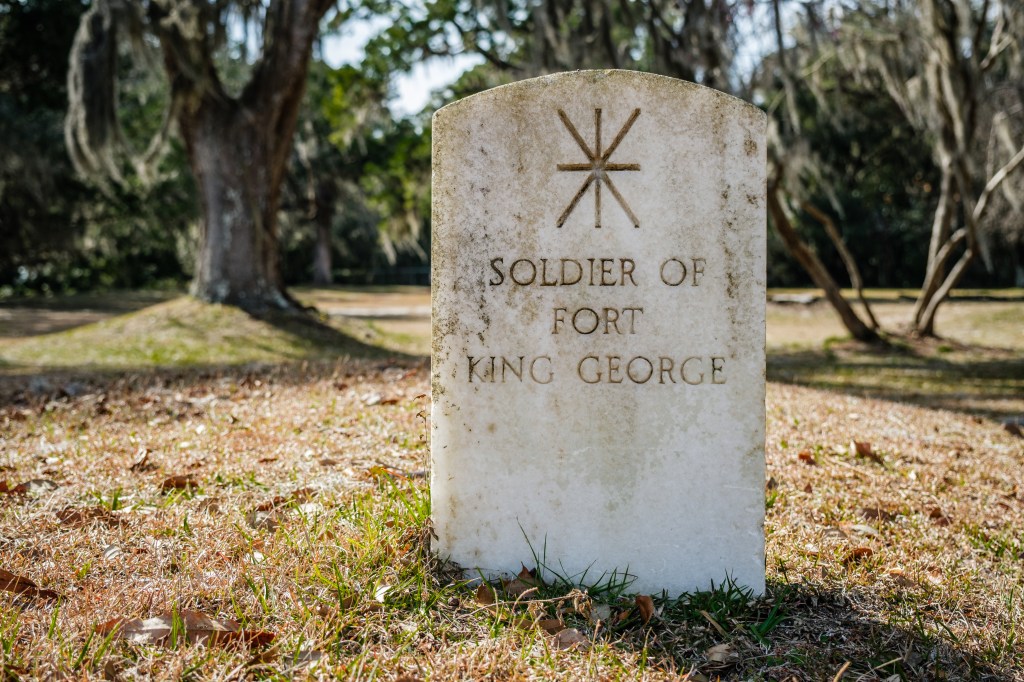
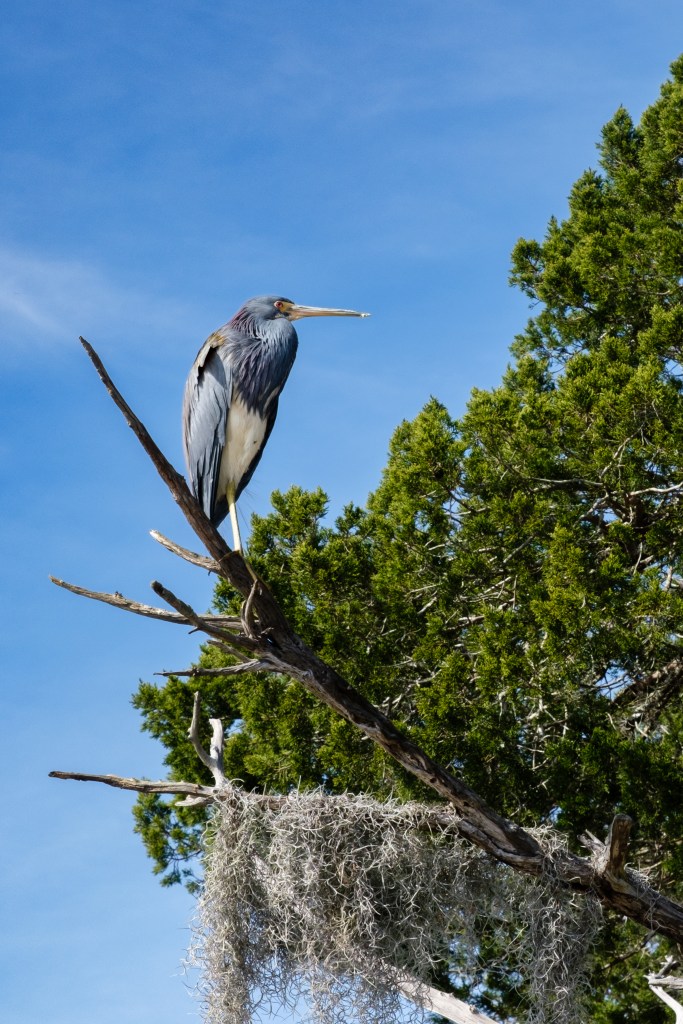
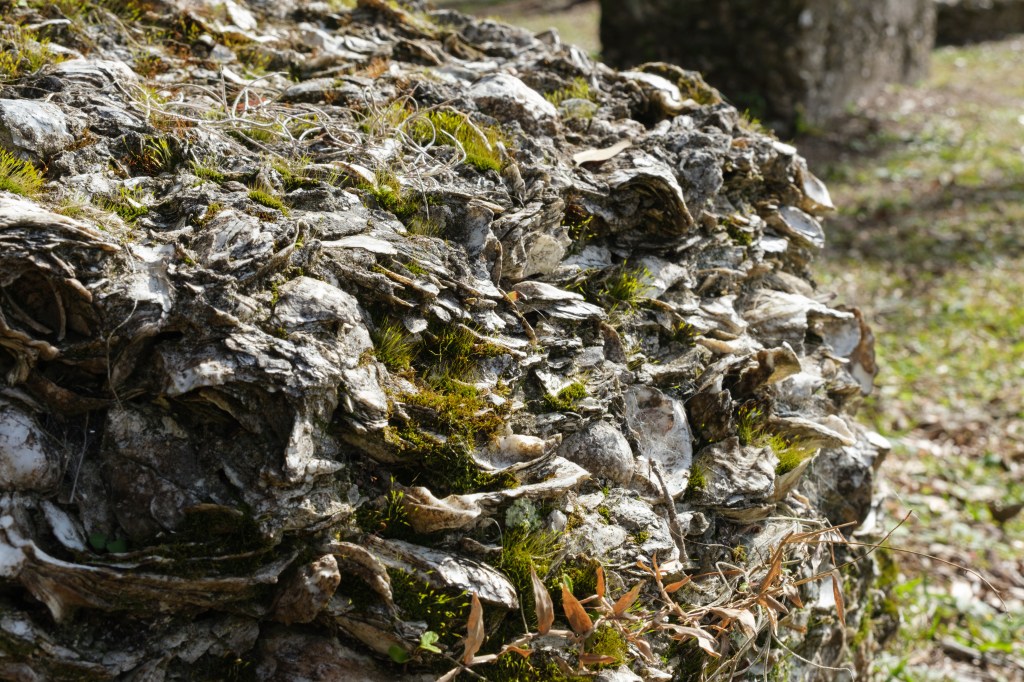
Finally, enjoy the nature trail and the numerous birds, as the site is along the Colonial Coast Birding Trail. Be sure to view the tabby ruins near the cemetery and gaze at the beautiful Altamaha River. If you have time to plan your visit, they host a number of events throughout the year such as the Scottish Heritage Day, an Autumn Encampment and A Scottish New Year. The park is open Tuesday – Sunday, with a reasonable admission of under $10 a person.

So, will your travels find you “Taking the Exit” to a magical location? I’d love to hear your thoughts on my trip of taking the exit to the Fort King George State Historic Site and any locations that you have discovered and would recommend I exit to next.
 Carrie Hanrahan Photography